TuneCore AI Music Policy: What Gets Rejected in 2026
TuneCore has the most explicit AI music policy of any major distributor: fully AI-generated tracks are rejected, Suno uploads are blocked at the platform level, and detection accuracy is claimed at 99.9%. What actually happens at upload is more mechanical than the policy language suggests.
- TuneCore rejects 100% AI-generated music but accepts AI-assisted tracks with meaningful human involvement, a threshold it deliberately does not define
- It was the first major distributor to announce blocking tracks from a specific generator (Suno) at upload, while accepting licensed platforms like ElevenLabs and Udio
- Enforcement is a classifier reading generation fingerprints plus metadata scans, not a human listening to your track
- In our two test rounds, 98 of 98 processed tracks passed TuneCore screening, because the classifier reads artifacts, not intentions
TuneCore wrote the policy everyone else is copying
Most distributors handle AI music with a paragraph of terms-of-service vagueness. The TuneCore AI music policy is an actual framework, and in 2026 it is the most explicit position any major distributor has taken: fully AI-generated music is rejected, AI-assisted music with meaningful human contribution is accepted, AI involvement must be declared in metadata, and tracks from one specific generator, Suno, are blocked at the platform level.
That last clause made TuneCore the first major distributor to ban a named AI tool outright. Meanwhile music made with licensed platforms like ElevenLabs, Udio, and Google's Flow is explicitly acceptable. If that split seems arbitrary, notice what it tracks: not audio quality, not creative merit, but the licensing lawsuits. Suno is the defendant the labels have not settled with. The accepted platforms cut deals.
Understanding this policy matters because TuneCore is where a large share of independent AI musicians try to release, and because the gap between what the policy says and what the screening system does is where most rejections actually happen.
What the policy says
Four load-bearing rules in TuneCore's 2026 framework:
Fully AI-generated music is rejected. If TuneCore's systems conclude a track is 100% machine-generated, it does not distribute. Claimed detection accuracy: up to 99.9%.
AI-assisted music is acceptable with meaningful human creative contribution. Combining AI-generated stems with original vocals, your own lyrics, or substantial arrangement can pass review. The threshold for "meaningful" is deliberately undefined and evaluated case by case.
AI involvement must be declared. Upload metadata includes fields for the nature of AI involvement: full generation, vocal synthesis, instrumental composition. Declaring accurately is a policy requirement, not a suggestion.
Suno is blocked; licensed platforms are not. The named-generator ban, unique among major distributors when announced.

What actually happens at upload
Here is the part the policy language obscures: no human at TuneCore listens to your submission. Enforcement is automated, and it has two layers.
The first is an audio classifier. As we have documented across our AI music detector guide and audio watermark explainer, every distributor screening system we have tested is a statistical classifier reading generation fingerprints: inaudible byproducts of how models like Suno synthesise audio. It is not decoding a watermark and it is not evaluating "meaningful human contribution." It outputs a probability, and above a threshold, you are rejected.
The second is a metadata scan. If the scan or the classifier suggests AI involvement that your declaration did not mention, that is a transparency violation. This is the trap in the disclosure framework: a track that passes audio screening can still be delayed, rejected, or pulled later if the metadata story does not match what the systems found.
The practical consequence: the policy's carefully worded human-contribution standard mostly collapses into whatever the classifier decides. A genuinely AI-assisted track with real human vocals can flag because the instrumental stems carry fingerprints. A track the policy would technically ban can pass because the classifier finds nothing to read.
What our testing showed
TuneCore has been in both of our test rounds since May. In round one, all 48 Suno-generated tracks processed through Undetectr passed TuneCore screening. In round two, all 50 tracks of a cross-generator corpus (Suno v5, Udio, Stable Audio) passed. That is 98 of 98 processed submissions, against raw exports of the same material being flagged.
This is not a loophole in TuneCore's policy so much as a demonstration of what the policy actually is at the enforcement layer: a fingerprint classifier. Remove the fingerprints and the classifier has nothing to read. The full methodology and per-distributor numbers are in our Undetectr review.
TuneCore's classifier flags the generation artifacts in raw AI exports. Undetectr strips them in about 90 seconds per track, in the browser, with mastering included. One-time $39.
Try Undetectr → from $19 · $39 lifetime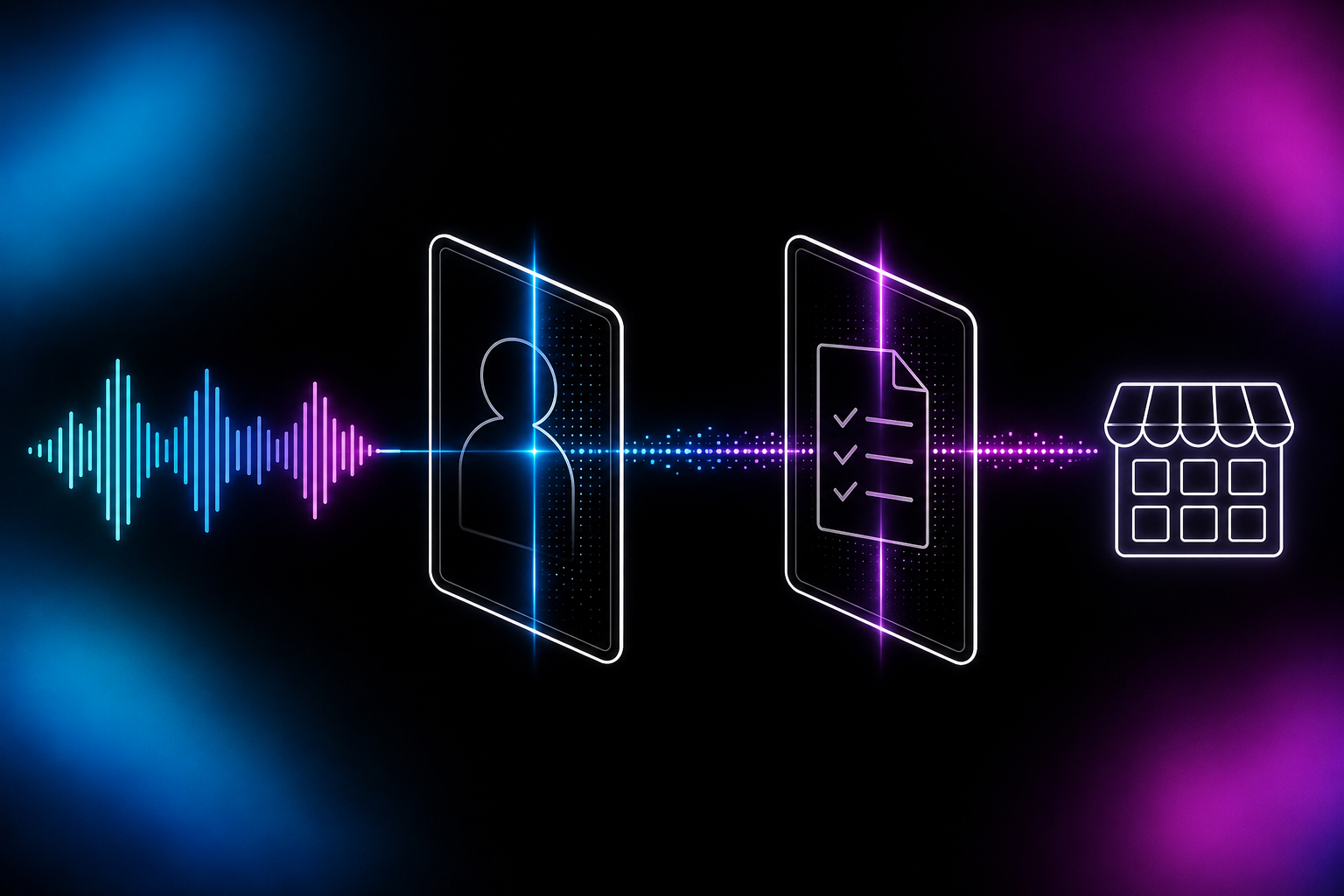
The disclosure question
Should you declare AI involvement in TuneCore's metadata fields? The policy requires accuracy, and the fields exist for a reason: undeclared involvement that gets detected later is treated as a transparency violation with consequences beyond a single track.
Our position is the same one we apply everywhere on this site. Release prep, including artifact removal, is for music you actually made, and lying in declaration fields is a different act from cleaning a file. If your workflow involves meaningful human contribution, the AI-assisted declaration is both accurate and policy-compliant, and a clean file means the classifier will not contradict you. If your track is fully generated and the platform's policy says that is not distributable there, the honest options are a distributor whose policy accepts it or a workflow that adds the human layer TuneCore requires.
TuneCore versus the other screens
How TuneCore's approach compares to the other gatekeepers we cover:
| TuneCore | DistroKid | CD Baby | |
|---|---|---|---|
| Written AI policy | Explicit framework | Vague | Most restrictive |
| Named generator ban | Yes (Suno) | No | No |
| Disclosure fields | Yes, required | Limited | Metadata transparency rules |
| Enforcement | Classifier + metadata scan | Classifier | Classifier |
| Passed our processed tracks | 98/98 | 98/98 | 48/48 (round one) |
The pattern across all three: policies differ loudly, screening behaves almost identically, because everyone is running the same kind of classifier against the same kind of fingerprints. Our DistroKid AI detection guide and CD Baby AI policy breakdown cover the other two columns.
The bottom line
TuneCore's AI policy is the most explicit in the industry, but at upload time it reduces to a classifier and a metadata scan. Raw AI exports fail the classifier. Processed tracks with accurate metadata pass, and did so 98 times out of 98 in our testing. Read the full Undetectr review for the test data, and treat the disclosure fields as the policy instrument they are: the part of TuneCore's framework that a clean file does not answer for you.
Frequently asked questions
Partially. TuneCore's 2026 policy rejects music it identifies as 100% AI-generated but accepts AI-assisted tracks with meaningful human creative contribution. The catch is that the threshold for meaningful contribution is not defined anywhere in the policy and is evaluated case by case, which in practice means the automated classifier's verdict decides most outcomes.
TuneCore announced it would actively block Suno-generated tracks at upload, making it the first major distributor to enforce a platform-level ban on a specific AI generator. At the same time it accepts music made with licensed AI platforms like ElevenLabs, Udio, and Google's Flow. The distinction tracks the licensing lawsuits, not the audio quality.
Two mechanisms: an audio classifier that reads the statistical generation fingerprints AI tools leave in their exports, and metadata scans that flag undeclared AI involvement. TuneCore claims up to 99.9% detection accuracy. Like every distributor system we have tested, it is a classifier producing a probability, not a watermark decoder.
During upload, TuneCore asks you to declare the nature of AI involvement in metadata fields: full generation, vocal synthesis, or instrumental composition. Undeclared AI involvement that the scan later detects is treated as a transparency violation, which can mean distribution delays, rejection, or takedown of a track that initially passed.
If the rejection cited AI content, the classifier read generation fingerprints in your file. This happens to raw exports from Suno and Udio almost universally. It is not a judgment about how the track sounds. A rejection can also follow from a metadata mismatch between what you declared and what the scan found.
In our testing, yes, consistently, when the generation artifacts were removed before upload. Across two test rounds, 98 of 98 tracks processed through Undetectr passed TuneCore screening: 48 Suno tracks in round one and 50 cross-generator tracks in round two. Raw exports of the same corpus were flagged.
On paper, yes: TuneCore has the explicit generator ban and the disclosure framework, while DistroKid's policy is vaguer. At the screening layer the two behave similarly, because both run classifiers against the same kind of generation fingerprints. Our DistroKid AI detection guide covers that side in detail.
Ready to release your Suno tracks?
Explore Undetectr’s published track-processing features before preparing your release.